Walmart has spent more than $110 million buying malls this year in a move to become a property owner, not just a tenant
Walmart already owns most of its locations. But recent deals are part of an emerging pattern.
- technology
- business
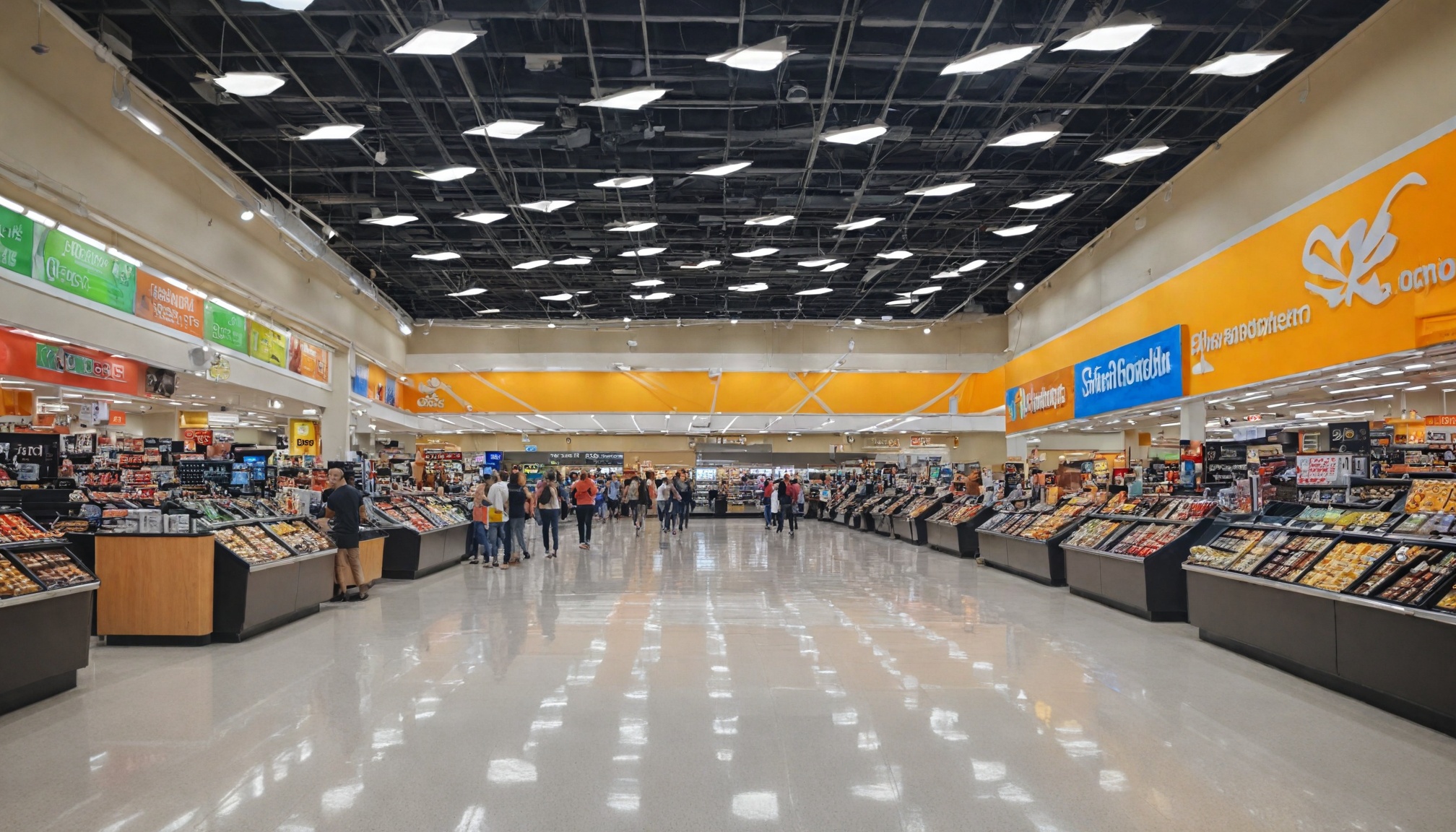
Walmart already owns most of its locations. But recent deals are part of an emerging pattern.
Below are some popular stories that may be of interest to you.

Records indicate that Walmart operates 4,717 retail locations across the United States, with direct ownership of approximately 80% of these properties. Documentation of real estate transactions shows the company purchasing properties rather than maintaining lease agreements.
The company's real estate activities include acquiring properties where stores currently operate under leases. Financial documents reveal property acquisitions across multiple states during the most recent fiscal year, converting leased locations to company-owned properties.
Research on retail property management indicates that ownership can affect operational expenses and property control. Companies that own their locations avoid recurring lease payments and maintain authority over building modifications. Property ownership allows retailers to build equity while participating in local real estate markets.
Data shows varying approaches to property management among retail businesses. Some organizations select leasing for operational flexibility, while others choose ownership for long-term cost management. Industry statistics indicate retail property ownership rates range between 20% and 90%, reflecting different business strategies and market conditions.
Real estate management practices in retail continue to evolve based on economic factors. Financial data from retail organizations demonstrates ongoing evaluation of property holdings to address operational requirements. Location-specific factors such as market conditions, property values, and business planning influence ownership decisions.
The retail property portfolio encompasses standalone buildings and shopping center locations. These properties exist in urban, suburban, and rural areas throughout different regions. The ratio of owned to leased properties differs by location, reflecting regional real estate conditions and business needs.
Property investment decisions in retail incorporate multiple data points. Organizations examine population statistics, transportation patterns, and economic indicators when determining whether to purchase or lease locations. These factors contribute to property management strategies across different markets.
Analysis of retail property ownership shows initial capital requirements balanced against potential financial benefits. Direct ownership provides control over property development while reducing ongoing operational costs through eliminated lease obligations. This approach enables participation in local real estate value changes within operating territories.
Commercial real estate data indicates variations in property costs and values across different regions. Market research shows correlations between location characteristics and property performance metrics. These factors inform retail organizations' decisions regarding property acquisition and management strategies.
Documentation of retail property transactions reveals patterns in ownership transitions. Records indicate changes in property status from leased to owned arrangements based on market conditions and business requirements. This information provides context for understanding retail property management practices across different regions and market environments.
Also: All the news and watercooler chat from Fortune.

