Hoop Collective Q&A: What are the next steps in the NBA's gambling investigations?
ESPN spoke with former federal prosecutor Kate Reilly for an in-depth look at what comes next in the NBA gambling investigations.
- Sports
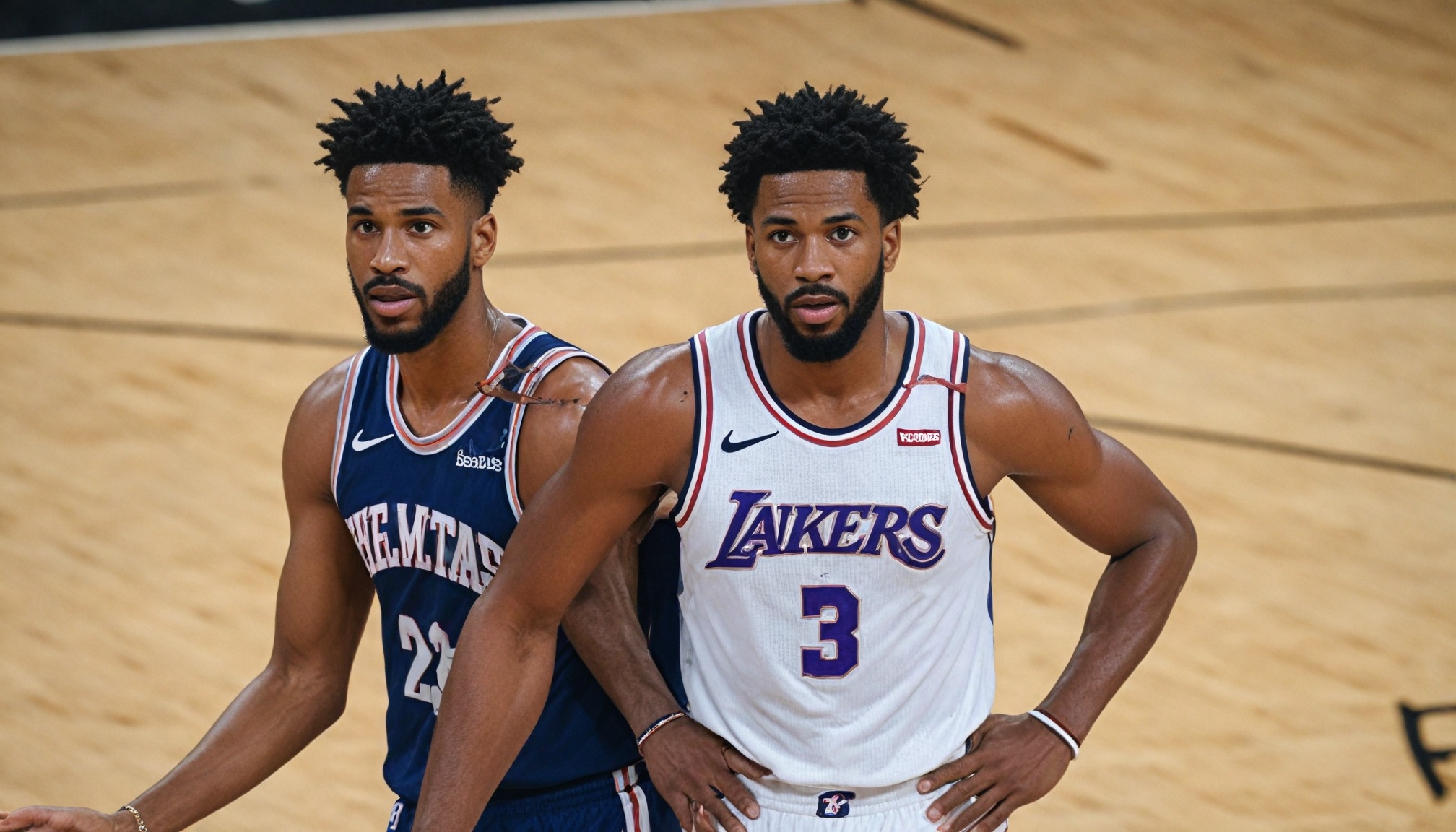
ESPN spoke with former federal prosecutor Kate Reilly for an in-depth look at what comes next in the NBA gambling investigations.
Below are some popular stories that may be of interest to you.

Over the past week, federal indictments involving an active professional basketball player, a current head coach, and a former player and coach have drawn widespread attention. The cases include allegations against a guard from a Miami-based team, a head coach from a Portland-based team, and a former player associated with a Cleveland-based team. These individuals were among 34 people arrested in connection with two separate investigations focusing on illegal sports betting and organized poker games with alleged ties to criminal networks, according to federal authorities.
To provide clarity on the legal aspects of these indictments, an expert in white-collar crime and regulatory enforcement, who previously served as a federal prosecutor for over a decade in a New York-based U.S. Attorney’s Office, shared insights on a recent podcast discussion. With extensive experience in handling fraud and cybercrime cases, this expert offered a detailed breakdown of the charges, the potential progression of the cases, and the interaction between professional sports leagues and federal investigations. While not directly involved in these specific indictments, the expert’s background provides a relevant perspective on the nature of such legal proceedings.
The first indictment centers on allegations of illegal poker games, which are described as involving professional athletes to attract high-net-worth individuals into games that were manipulated. The charges suggest that some participants were aware of the deceptive practices, and the games are linked to organized crime activities, including coercion to recover debts and an instance of armed robbery involving equipment used to rig the games. The second indictment addresses a separate issue, alleging that certain individuals, including players and coaches, conspired to misuse nonpublic information from within the professional basketball league to place bets or provide data to others for betting purposes. This is claimed to have defrauded sports betting platforms, with additional accusations of laundering the resulting profits.
Explaining the distinction between the two cases, the legal expert noted that the poker-related charges align with patterns often seen in organized crime prosecutions, involving illicit gambling and the use of force or threats. The sports betting charges, however, are seen as less conventional, as they apply a broader interpretation of wire fraud laws. Wire fraud, in this context, refers to the act of misrepresenting or omitting key information to obtain money or property through electronic means. The indictment suggests that failing to disclose nonpublic information or violating the terms of service of betting platforms could constitute such fraud, though this approach may face legal challenges from defense teams questioning its validity.
Regarding the professional basketball league’s involvement, the expert highlighted the differences in investigative capabilities between federal authorities and private organizations. Federal investigators have access to tools like subpoenas, search warrants for electronic communications, and the ability to compel testimony or document production—resources that private entities lack. This disparity can result in the league having limited awareness of the full scope of an investigation until formal charges are announced. Additionally, while cooperation between the league and federal authorities is common, the government is not required to share comprehensive details of ongoing investigations due to confidentiality rules surrounding grand jury proceedings.
The league has publicly stated that one of the accused players did not breach its internal policies, though this does not necessarily align with federal legal standards. The expert emphasized that the outcomes of these cases remain uncertain, as the indictments represent allegations rather than proven facts. Future developments, including potential trials or legal motions, will determine the validity of the charges and the extent of any misconduct. These cases also raise broader questions about the intersection of professional sports, gambling, and legal accountability, topics that continue to generate discussion across the industry.
For those seeking a deeper understanding of the legal nuances and potential implications, further insights from the expert’s discussion are available through related audio content. The focus remains on presenting the facts as they are currently understood, acknowledging that ongoing investigations and court proceedings will shape the final narrative of these events. As updates emerge, they will provide additional context to these complex and evolving cases within the professional sports landscape.
Chase Briscoe will make his first appearance in the Cup Championship 4 on Sunday at Phoenix.

