Hingle McCringleberry celebrations, explained: How classic 'Key and Peele' football skit drew ire of NFL fines and penalties
NFL referees have had eyes out for a very specific 'Key and Peele' related celebration in recent years.
- Sports
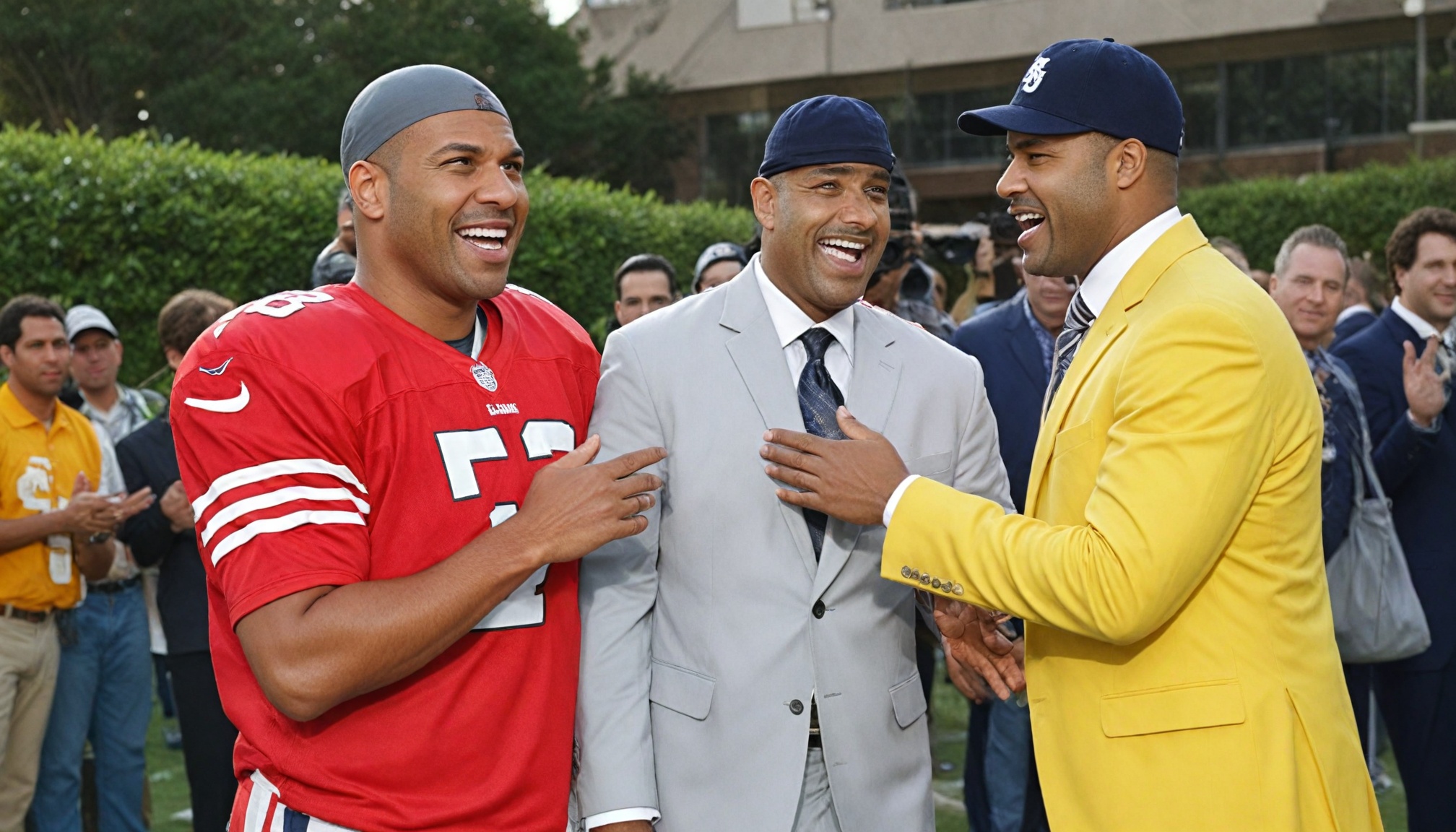
NFL referees have had eyes out for a very specific 'Key and Peele' related celebration in recent years.
Below are some popular stories that may be of interest to you.

In the world of professional football, touchdown celebrations have become a notable aspect of the game, offering players a moment to express individuality after scoring. While some opt for understated gestures like high-fives with teammates, others engage in more distinctive routines. One particular celebration, inspired by a comedic sketch, has drawn attention in recent years due to its association with penalties for unsportsmanlike conduct in the NFL. This gesture, often referred to as a reference to a character from a well-known comedy show, involves a specific movement that has been flagged by officials when deemed excessive under league rules.
The character in question, portrayed by a comedian in a sketch from a series that aired between 2012 and 2015 on a cable network, is a fictional football player. The skit humorously depicts the character performing a celebratory motion involving multiple pelvic thrusts after scoring, only to be penalized for exceeding a supposed limit of two such movements. This fictional rule, highlighted in the comedy piece, serves as a satirical commentary on the NFL’s regulations regarding excessive celebrations. The character, originally introduced in a separate skit featuring exaggerated player names during a mock college bowl game, is said to have attended a university in Pennsylvania, a detail that ties into the real-life background of the actor who played him.
Over the years, several NFL players have replicated this celebration on the field, often leading to penalties or fines under the league’s unsportsmanlike conduct policies. For instance, in 2013, a wide receiver for a New Orleans team performed the gesture after a touchdown against a Tampa Bay team. Similarly, in 2015, a Denver defensive player mimicked the motion following a sack, resulting in a fine that was later reportedly covered by the comedians behind the original sketch. In 2020, a prominent Green Bay quarterback executed a modified version of the celebration with two thrusts after a scoring play, though the touchdown was later overturned. Other players, including a running back who performed it in both 2020 and 2022 while with different teams, and a Carolina running back in the 2025 season, have also adopted the gesture, sometimes facing penalties that impacted their teams’ subsequent plays.
The NFL rulebook categorizes unsportsmanlike conduct as any action contrary to the principles of sportsmanship, with specific guidelines against gestures deemed overly suggestive or disruptive. Penalties for such infractions can result in a 15-yard loss for the offending team and may include fines ranging from approximately $14,000 for a first offense to over $20,000 for a second. These fines are typically issued in the days following the game. The league leaves much of the interpretation to the discretion of on-field officials, who assess whether a celebration crosses the line based on its nature or duration.
In one notable instance from the 2025 season, a Carolina player’s use of the celebration led to a penalty that affected the team’s extra-point attempt, though they still secured the victory. The player later expressed confusion over the call, noting that team discussions had suggested a limit of two movements was permissible. In response, the actor who originated the character publicly commented on social media, suggesting the penalty was unwarranted. Additionally, the player initiated a fundraising effort to support a North Carolina-based organization focused on foster care and family services, raising nearly $17,000 by early November 2025. The actor and his spouse also contributed by covering the player’s fine and donating an additional $15,000 to the cause.
The celebration’s roots in a comedy sketch have kept it relevant in popular culture, with the original character appearing in multiple segments beyond the initial touchdown celebration skit. These sketches often play on exaggerated personas and fictional scenarios within the sport, contributing to the gesture’s recognition among fans and players alike. While the NFL maintains strict guidelines to ensure gameplay remains the focus, the recurring adoption of this particular celebration highlights the intersection of sports, entertainment, and cultural references on the field.
As the league continues to balance player expression with adherence to conduct rules, instances of such celebrations serve as a reminder of the evolving nature of football as both a competitive sport and a platform for personal and cultural statements. The ongoing dialogue between players, officials, and even external figures like comedians reflects the broader conversation about where to draw the line between individuality and regulation in professional sports.
Overtime in college football can be exciting, but it has taken many forms over the years.

