Here Is What No One Tells You About Watching Your Wonderful Dad Slowly Slipping Away In Front Of You
“This isn’t the father I’ve known all my life, but it’s the one I have.”
- Sports
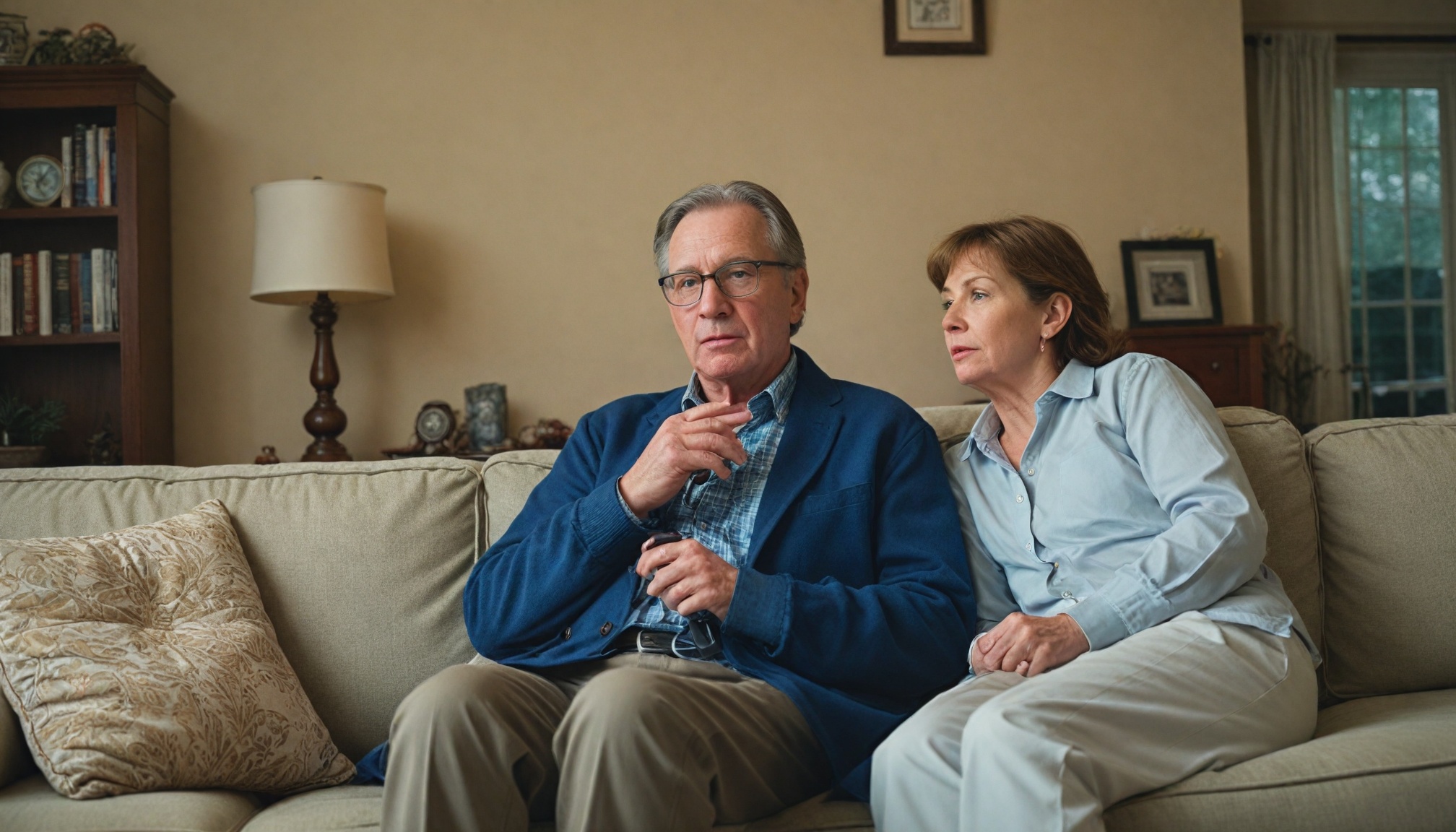
“This isn’t the father I’ve known all my life, but it’s the one I have.”
Below are some popular stories that may be of interest to you.

A patient's experience through an overnight hospital stay reveals the complex dynamics between healthcare providers, family members, and medical decision-making. At 2:30 a.m., a nursing home contacts the patient's adult child regarding breathing difficulties, resulting in transfer to Bridgeport Hospital.
In the emergency department waiting room, individuals share their experiences. One family displays photographs of their grandson, who sustained injuries during an athletic competition. The room houses multiple families, each navigating their own medical situations.
The patient's transfer to intensive care unit follows established medical protocols. Healthcare professionals maintain professional boundaries while delivering care, balancing medical expertise with patient needs. The attending physician, identified as Dr. Mark, presents medical options regarding respiratory support and ongoing care planning.
The family maintains a presence at the hospital while managing responsibilities at home. Four children require attention to daily routines including meals, school preparation, and emotional support. Healthcare decisions involve considerations of various medical interventions, including respiratory assistance devices.
Hospital staff monitor vital signs through medical equipment that tracks heart rate, oxygen saturation, and breathing patterns. The environment contains standard medical devices and monitoring systems common to intensive care units. Family members coordinate schedules to maintain consistent presence during visiting hours.
Prior medical planning included necessary documentation and arrangements according to Medicaid Title 19 requirements. The patient, a veteran of the Air Force, received appropriate military acknowledgments in the documentation. Healthcare discussions encompass both immediate medical needs and longer-term care considerations.
Support systems extend beyond the hospital setting. Community members assist with childcare, property maintenance continues through local services, and transportation options remain accessible. Medical staff provide updates regarding treatment progress and necessary adjustments to care plans.
The situation demonstrates the intersection of medical care, family responsibilities, and healthcare decision-making processes. Healthcare professionals maintain consistent monitoring while family members navigate both hospital presence and home life management. The experience highlights the systematic approach to patient care within medical institutions while acknowledging the practical aspects of family support systems.
Daily hospital routines involve regular medical assessments, treatment adjustments, and coordination between healthcare providers. Family members participate in medical discussions while maintaining communication with support networks outside the hospital. The focus remains on patient care while addressing practical considerations of ongoing medical support.
You may not think about walnut skins too often, but when left on, they can make the buttery nuts taste bitter. Here are the easiest ways to remove them.

