AI Contributes To The ‘De-Skilling’ Of Our Workforce
With all the concern about job displacements or losses from AI, de-skilling has been a secondary issue that needs more attention.
- Tech
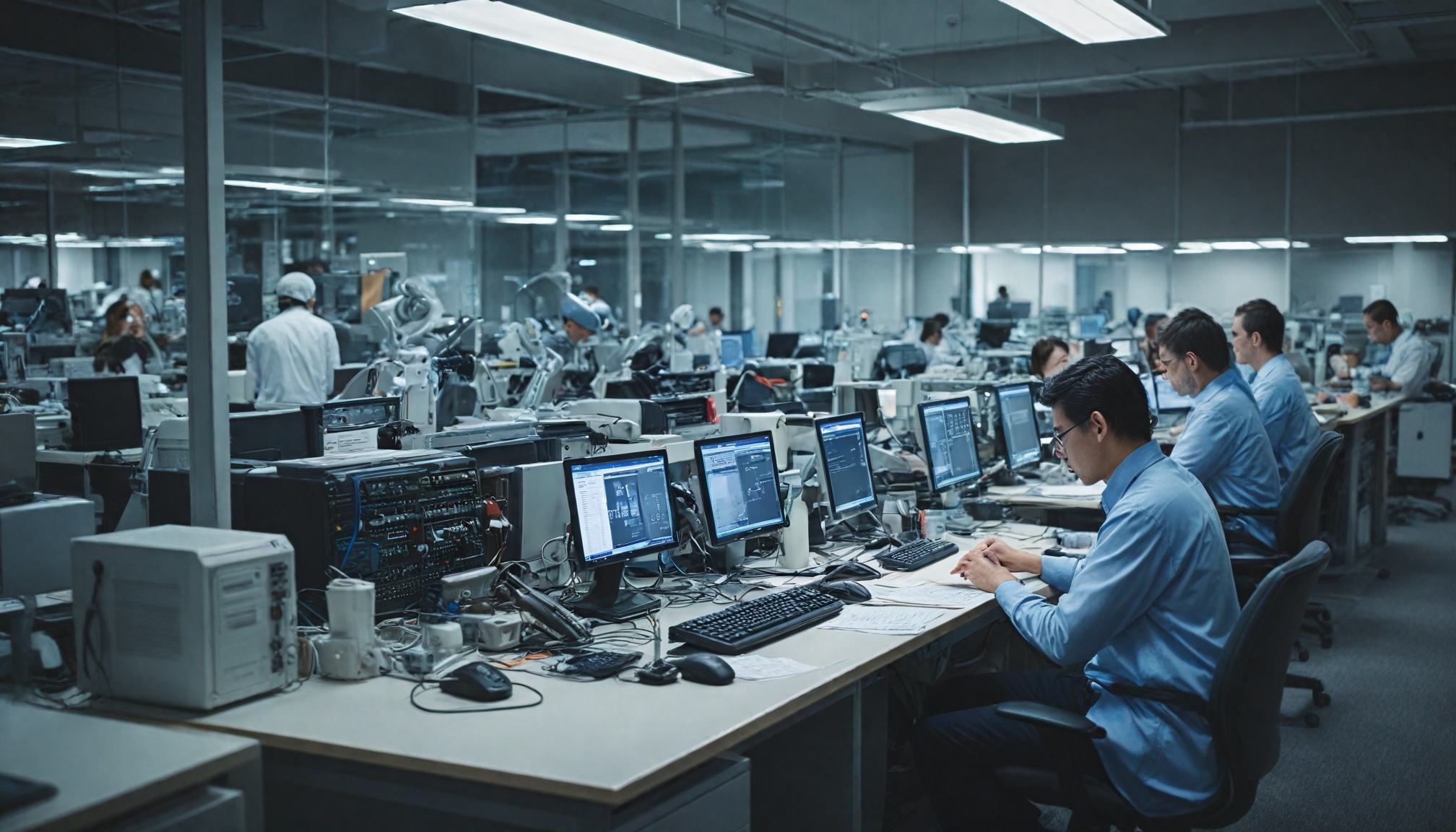
With all the concern about job displacements or losses from AI, de-skilling has been a secondary issue that needs more attention.
Below are some popular stories that may be of interest to you.

In earlier decades, specifically the 1970s and 1980s, producing publications such as business magazines relied heavily on manual techniques. Content was typed on typewriters, and images were physically placed on storyboards using tools like cutting instruments and adhesives. These assembled layouts were then transported to printing facilities for additional steps, including the development of initial drafts and film negatives for evaluation. If inaccuracies were identified or modifications required, the materials were sent back for manual adjustments before proceeding further. In contrast, contemporary methods have shifted toward digital platforms, automating many aspects of layout design and production, thereby altering the workflow significantly.
This transition to digital publishing has changed the skill sets needed in the industry, prompting discussions about the wider effects of technological progress. A notable exploration of this topic appears in an article by a philosophy and law professor from a prominent university in New York, who examines the potential impact of artificial intelligence (AI) on human cognitive functions. The analysis focuses on how automation might influence abilities such as analytical thinking, legal reasoning, and ethical judgment, which are often regarded as core components of human decision-making processes.
The phenomenon of skills becoming obsolete due to technological advancements is not unique to the present era. Historical examples include the decline in demand for blacksmithing skills with the rise of automobiles, or the reduced need for manual calculations in engineering and scientific fields following the introduction of calculators and computers. While these shifts often allow individuals to allocate time to other activities, the professor raises concerns about automation affecting tasks that involve complex thought processes. For instance, students using AI to condense intricate texts might engage less with the original material, and legal practitioners depending on automated systems for analysis may practice nuanced interpretation less frequently.
Further observations point to specific domains where a reduction in certain skills could have broader consequences. Crafting structured arguments, as in academic writing, helps develop a methodical approach to organizing ideas and evidence—a process that could be sidestepped with automated tools. Additionally, excessive dependence on technology might leave individuals less equipped to manage situations when digital systems are unavailable. There is also a consideration regarding the quality of communication, as interactions guided by AI-generated prompts or standardized responses might lack the depth of spontaneous dialogue or the effort to select precise wording.
However, not all changes in skill requirements are perceived as detrimental. Many repetitive or labor-intensive tasks, such as washing clothes by hand or performing extended calculations manually, have been replaced by technology without widespread concern. Some professionals, including a neuroscientist referenced in the discussion, find AI useful for handling routine tasks like preparing grant proposals, freeing up time for more substantial endeavors. This viewpoint indicates that technology can support a focus on higher-priority activities in various fields.
Technological developments also pave the way for new possibilities. The widespread availability of advanced smartphone cameras has empowered independent creators to produce videos and documentaries without the need for traditional, costly equipment. In industries like film and television, this accessibility has facilitated the initiation of smaller, self-managed projects. The professor describes these changes as nurturing new competencies linked to digital tools, suggesting the emergence of roles and expertise that are still evolving.
The ongoing dialogue about AI and the transformation of skills mirrors historical patterns of adapting to new technologies. Past debates, such as those surrounding the impact of writing on memory or industrial automation on manual labor oversight, parallel current considerations about AI's role. While there are legitimate points about preserving certain human capabilities, there is also acknowledgment that many technological transitions have historically contributed to advancement and innovation. Finding a balance between maintaining essential skills and integrating new approaches continues to be a central focus as technology progresses.
Some experts believe AI will create enough new roles to offset job losses, but that could depend on how policymakers and employers react now.

